


About The Author

About The Author
Maximalist graphic design is becoming a trend again, and some designers are intentionally breaking the rules to make a big impact in the industry.
But even if you enjoy maximalist art, knowing how to successfully use it in web design and branding is a whole different story.
In this article, I’ll show you how to adapt to maximalist graphic design trends and create enjoyable digital assets.
You’ll learn 9 maximalism graphic design principles I teach team members at my web design agency in Chicago.
These strategies will give you confidence and inspire you to create unique, modern designs. You’ll also learn when it is ideal to use maximalist art in web design and branding and when it is better to stick to minimalism.
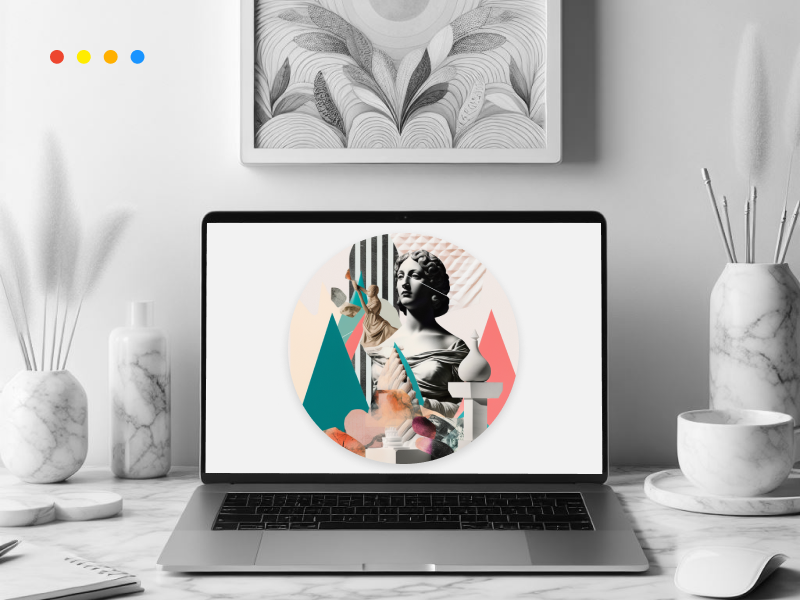
Minimalist style has been ruling web design for years now. Its clean, uncluttered aesthetic has defined a generation of digital interfaces, and it’s not going anywhere anytime soon.
However, many graphic designers have sensed that it’s the right time to break some minimalist graphic design conventions and create ‘organized chaos’ to win the audience.
Maximalist branding and web design are rapidly gaining traction, becoming one of the hottest graphic design trends in 2024. It’s a fresh perspective, one that challenges the norms and invites a ‘more is more’ philosophy.
Interestingly, it’s not just about being different for the sake of it. There’s a method to the madness.
Certain audience segments are responding exceptionally well to maximalist designs. It appears that this style resonates on a deeper level with those who crave stimulation, complexity, and a break from the conventional.
So, if you’ve been feeling boxed in by the constraints of minimalism, now might be the right time to break free.
But first, you must understand for which type of projects maximalist designs work best…
Minimalism is perfect for websites aiming for a sophisticated, professional look, where the content needs to breathe and be the center of attention.
Consider minimalist design for corporate websites, portfolios, or digital products where user experience and usability are the top priority. It’s about removing distractions within user interfaces, focusing on essential elements, and creating a seamless journey for the user.
Maximalism, on the other hand, is the unapologetic celebration of excess. It’s a riot of colors, a fusion of patterns, and a dance of diverse typography. This style is your go-to when you want to evoke emotion, showcase creativity, or make a bold statement. It suits brands that want to stand out, tell a story in a visually compelling way, or appeal to audiences that relish visual richness and complexity.
Maximalism in graphic design works well for creative industries, thematic campaigns, or brands that want to exhibit a sense of playfulness or avant-garde.
This section is dedicated to helping you harness the vibrant energy and boundless creativity of maximalism, ensuring your designs not only stand out but also resonate with your audience.
These nine tips are designed to guide you through the various aspects of maximalism, from its riotous color palettes to its complex layering and bold typography. Remember, use these strategies as a guideline, not rules you must strictly follow!
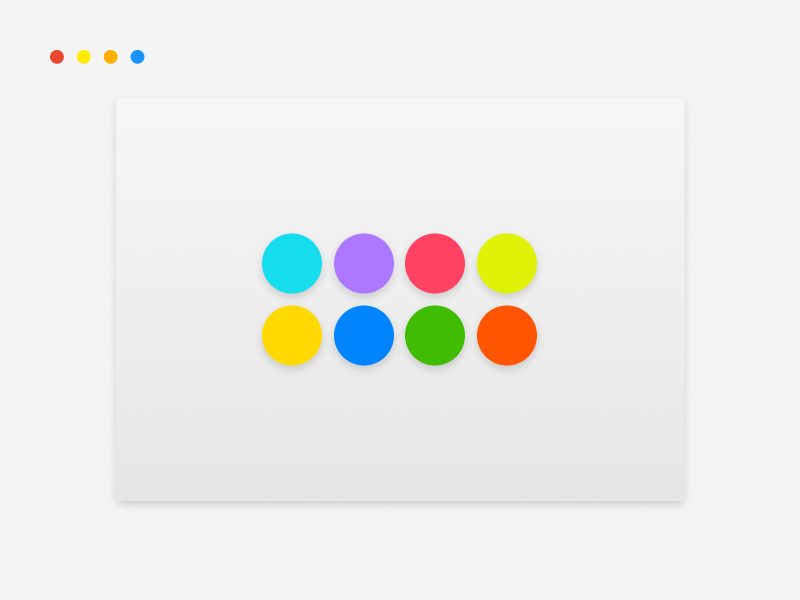
One of the first things to consider when trying to adapt to graphic design maximalism is the color palettes you use. If you’ve been strictly following color theory during the UI design process, it’s time to change your approach.
There are no strict rules for a maximalist color palette – you can experiment with clashing colors, oversaturation, and daring combinations. Feel free to break conventions when picking a color palette for your graphic elements and trying to create the desired atmosphere.
Maximalist designers often use vibrant colors and contrasting palettes to make user interfaces feel energetic. Remember, the goal is to create a visual impact that’s immediate and unforgettable.
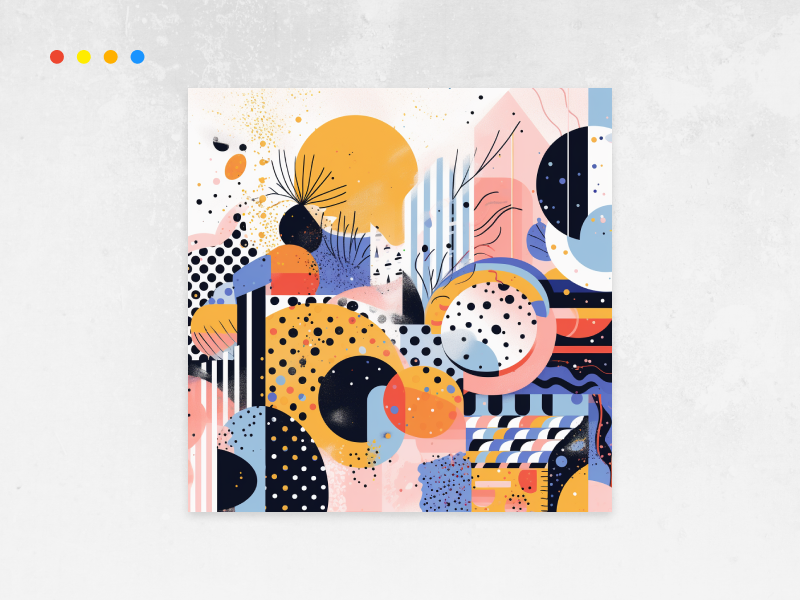
Colors are not the only tool the maximalist graphic design playground offers. If you carefully analyze maximalist style, you’ll notice different patterns, themes, and texture elements fighting for your attention.
If you’ve got used to minimalistic graphic design styles, this might be a hard pill to swallow. It’s true that by applying a maximalist style, you risk overwhelming your audience (that’s why it’s not ideal for every industry).
But once you start intentionally breaking the rules, you’ll also realize that experimentation opens up fresh opportunities to hook the audience and evoke intense emotions.
The trick is to maintain a thread of cohesion running through the design. Each element, no matter how contrasting, should contribute to the overall narrative you’re aiming to tell.
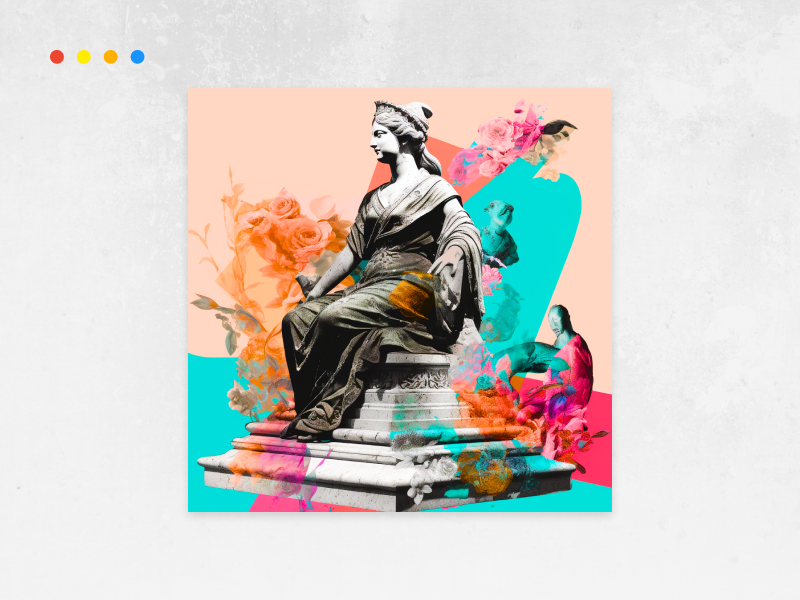
Maximalism design is all about density. And one of the easiest ways to achieve it is by creating various layers.
You begin with a base – perhaps a textured background or a bold, graphic print. Then, you gradually add elements, each bringing its own flavor and depth. These could be images, typographic details, patterns, or color blocks. The idea is to stack these layers, allowing each to play a part in the overall composition without overshadowing the others.
Layering gives you an opportunity to play with depth and dimension in your designs. You can experiment with transparency and overlap, allowing elements to interact in unexpected ways. It also gives you creative freedom to mix media and styles. You can combine hand-drawn illustrations with digital graphics, for example, or overlay modern web design typography over a vintage photograph.
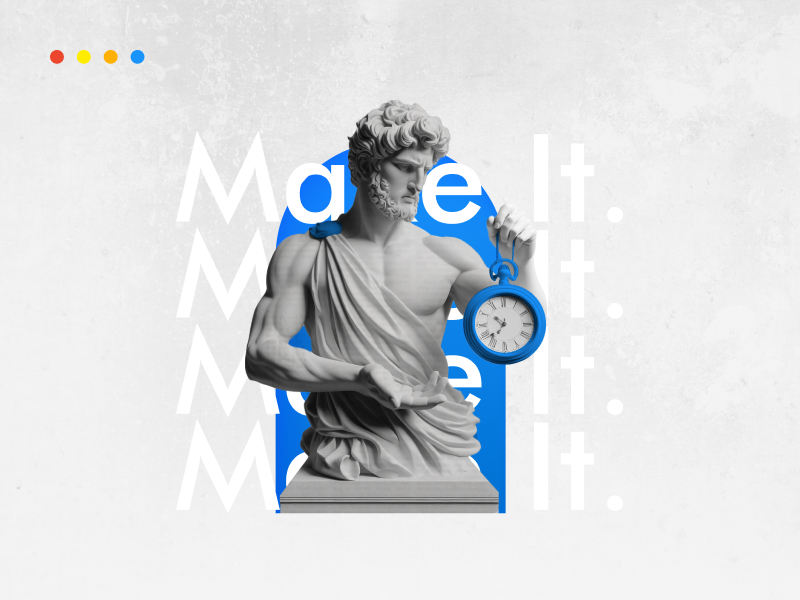
In minimalism, size and weight play a crucial role in headline design. But maximalism graphic design gives you another powerful tool for making the main message stand out – repetition.
You can repeat your headline or slogan in different typefaces, add text photos, or even integrate it within graphic elements to add another layer of textures.
The message, through this repetition, becomes a central theme that ties the entire design together, making it more than just a statement – it becomes a visual chorus that can’t be ignored.
The idea is to make the viewer engage with the design on multiple levels, discovering new facets of the message with each glance.
Maximalist designers love combining different graphic design styles to achieve a unique look for digital products.
There are no creative restrictions in maximalist graphic design. You can blend futuristic graphic design elements with classical motifs or combine abstract art with crisp, modern lines. The choice is completely up to you – just keep in mind the brand values you want to convey.
Interestingly, even design approaches typically associated with minimalism, like bento box design, find their place in maximalism. This structured layout can serve as a clean canvas for maximalist creativity, helping to organize diverse elements without losing the essence of maximalism. So, don’t be afraid to create an organized chaos – it’s what makes maximalism graphic design refreshing.
In maximalist graphic design, the traditional design principle of ‘less is more’ is turned on its head to embrace a ‘more is more’ philosophy.
White space, often seen as a breathing room in minimalist design, becomes a canvas for creativity in maximalism. It’s about utilizing every inch of space to tell a story, to evoke emotion, or to create a visual journey.
This doesn’t necessarily mean cluttering the design. You still need to make every element meaningful and cohesive within the overall theme.
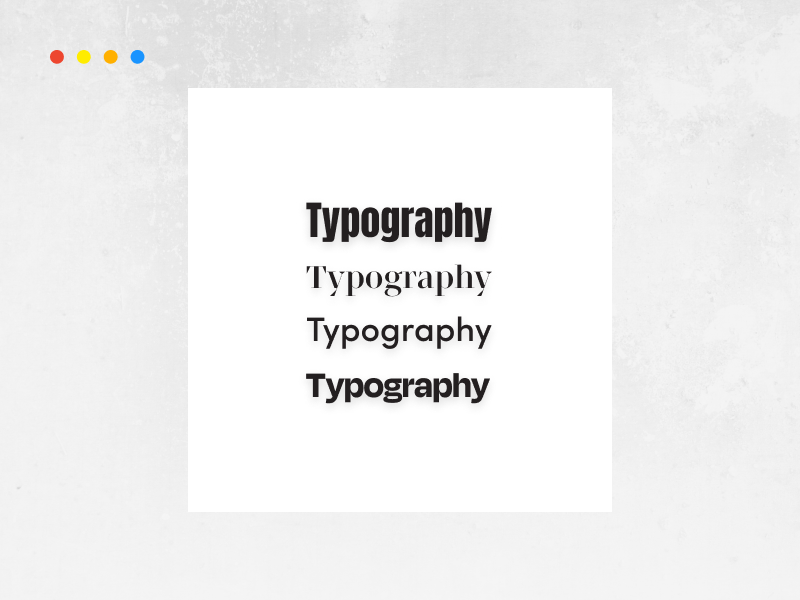
Unlike the minimalist approach, which often relies on one or two clean fonts, maximalism invites you to spice up your designs by integrating multiple fonts. This tactic adds a layer of complexity and personality to your work, making it stand out.
When incorporating various fonts, consider how they interact and complement each other. You can pair a bold, attention-grabbing headline font with a more subdued font for body text. Or, mix a modern sans-serif with a classic serif to create visual interest. Don’t shy away from experimental typography, as it can add a unique flavor to your maximalist graphic design.
If you find it challenging to implement your own fonts into a functional website, check my guide on how to add font in WordPress Elementor.
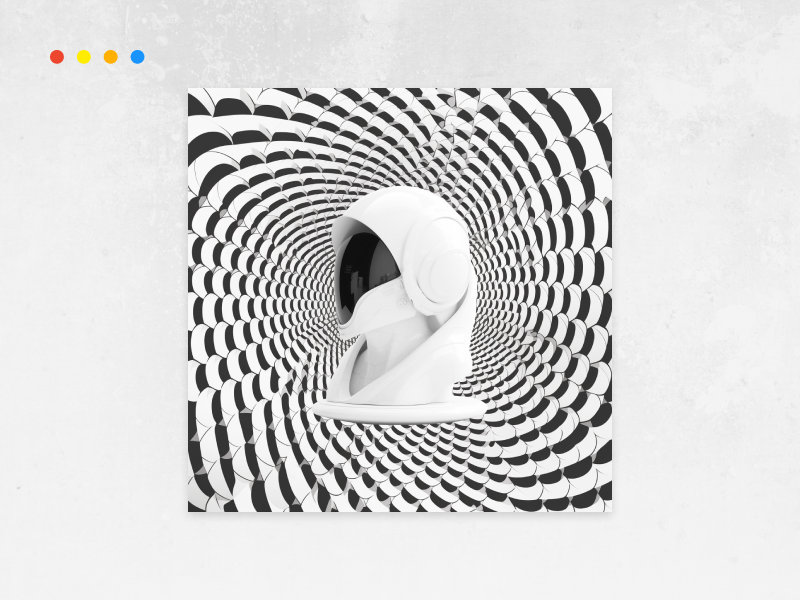
Optical illusions can add a unique and memorable dimension to your designs, making them truly stand out. They’re a unique way to add flavor to your modern UI design.
Incorporating optical illusions into your work can turn a simple design into an interactive experience for the viewer. It encourages them to engage more deeply with the design as they try to decipher the visual trickery.
When playing with optical illusions, consider how they align with the overall message and style of your design. They should add to the story you’re telling, not distract from it. The illusion could be a subtle background pattern that seems to move or a more prominent feature that challenges the viewer’s perception.
The beauty of using optical illusions lies in their versatility. They can be bold or subtle, complex or simple, and can fit a wide range of design themes. Whether you’re creating a futuristic vibe or a playful, whimsical design, optical illusions can enhance the visual narrative.
Remember, the goal is to intrigue and delight, not to confuse or frustrate your audience.
Maximalist design is an excellent medium for storytelling, and what better way to tell a story than through symbols and metaphors? This approach allows you to weave deeper meanings into your design, adding layers of context that can be both intriguing and thought-provoking.
Incorporate symbols that resonate with your brand or message. These could range from traditional icons with universal meanings to more abstract imagery that invites interpretation. Metaphors can also be visual – think of using a jungle theme to represent growth and diversity or a mosaic of images to symbolize unity in diversity.
The maximalism trend offers you the freedom to break the rules, challenge conventions, and express your creative vision without boundaries. It’s an invitation to play with colors, textures, patterns, and typography in ways that minimalism never allows.
However, while maximalism celebrates excess, it also demands a sense of harmony and purpose in the chaos. Each element, no matter how bold or subtle, should contribute to the overall narrative of your design.
Now, it’s your turn. Take these tips, let your creativity run wild, and start experimenting with maximalist graphic design. Embrace the organized chaos, find your unique voice, and create designs that are not just seen but experienced.
Related Posts
Brian Dordevic
Retro Website Design: 6 Tips To Master This Trend And Evoke Nostalgia
READ MORE
Brian Dordevic
Classy Website Design: 5 Tips To Achieve Elegant Look For Your Webpages
READ MORE
Brian Dordevic
How To Add Multiple Columns In Elementor in 4 Steps
READ MORE
Brian Dordevic
6 Futuristic Graphic Design Styles You Should Explore
READ MORE