


About The Author

About The Author
Minimalist graphic design is still a dominant style in 2024. However, achieving a minimalistic look for your website and other digital assets without making sacrifices is not as simple as it might first seem.
Successful minimalist graphic designers must find a fine balance between clean aesthetics and functionality. Tip too far either way, and your design loses its soul or usability.
In this article, I’ll share nine rules for making minimalist design stunning and effective. These are time-tested, client-approved strategies from my web design agency in Los Angeles.
You’ll learn how to capture your audience’s attention by making informed minimalist design choices. More importantly, you’ll learn how to create unique minimalist designs while maintaining an outstanding user experience. This knowledge will help you gain confidence in your work and ensure client satisfaction.
If you observe closely, you’ll notice a wide spectrum of styles in web design. At one end, there’s the bold and expressive maximalist graphic design. On the other, the elegant minimalist graphic design.
I didn’t write this article to make you pick between sides – as a professional designer, you should master both of these styles, as they’re among the hot 2024 graphic design trends.
So, what exactly is minimalist graphic design? Why has it been a dominant style for much of the past decade, and more importantly, why does it look set to continue its reign in 2024?
– Minimalist graphic design is all about the art of less. It’s a design philosophy that centers on stripping away the non-essential and leaving only the necessary elements.
– With the overwhelming amount of content and visual stimuli online, users crave clarity and simplicity. The popularity of minimalism proves that it resonates with modern user requirements for website design.
– Minimal graphic design is practical. It leads to faster load times, easier navigation, and a generally more user-friendly experience. These are important factors Google takes into account when ranking websites.
Mastering this style can give you a significant edge in 2024, whether it’s for a website, an app, or digital marketing materials.
So, let’s explore the nine rules of minimalist graphic design every professional should know.
The famous adage ‘less is more’ is not just a catchy phrase in this context – it’s a fundamental rule that drives every decision in minimalist design.
Adding just ‘one more’ element to your design might be tempting, but you’re risking this way. Every addition must be purposeful. If it doesn’t serve a clear function or enhance the message, it’s likely to detract from the overall effectiveness of the design.
So, how can you achieve simplicity?
For minimalist graphic design projects, stick to 1-2 fonts and avoid experimental typography. This restraint not only ensures readability but also maintains a cohesive and harmonious visual experience.
Similarly, a relaxed color palette is crucial. Choose colors that resonate with the brand and the message you want to convey, but limit the number of colors you use.
This principle will serve as a foundation as you create minimalist web design. Remember it at all times.
In minimalist graphic design, functionality and accessibility trump stunning visuals.
So, focus on user experience. From layout to typography, aim for:
However, this doesn’t mean you should completely ignore aesthetics. Your minimalist design should have a soul and be able to capture the user’s attention through high-quality visuals. It just means that you should make every choice with functionality in mind.
One of the main reasons minimalist graphic design is popular is that it allows you to guide the user’s attention to the most crucial information. Establishing a strong visual hierarchy is key to achieving this.
In minimalist design, every element plays a role in the visual story.
Start with the headline design, it’s usually what you want people to notice first. Make it bold and distinctive.
Then, experiment with different color combinations, contrasts, font sizes, and bullet lists. These elements are your tools for creating a path of visual interest. They help highlight key information and create a natural and intuitive flow.
For example, you can use different colors for specific words to make them stand out and enhance readability.
Remember, the goal is not just to catch the user’s attention but to maintain it, guiding them through the content in a way that feels effortless.
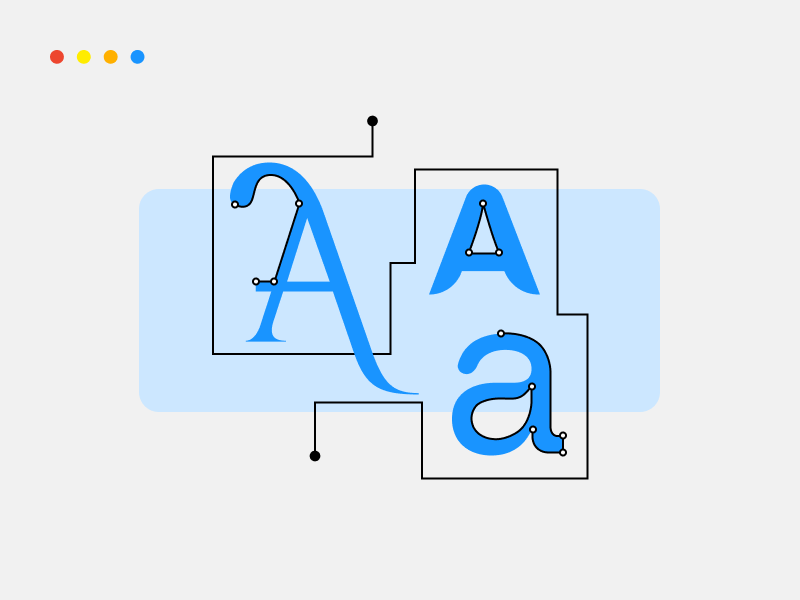
In minimalist graphic design, selecting the right font is a key decision, one that profoundly affects the user experience. This is where understanding why typography is important in web design becomes crucial.
Clean, uncluttered fonts are essential in minimalist design, ensuring the focus remains on the content without unnecessary distractions. They offer clarity and readability.
Clean fonts also help you maintain elegance and professionalism, which makes them one of the cornerstones of modern UI design.
Simple website layouts are key in minimalist web design, where attention to proportions and strategic positioning of UI elements becomes paramount. The minimalistic approach leaves little room for error. With fewer elements on the page, there’s nothing to mask imbalances.
That’s why you should experiment with various layouts during the early stages of the UI design process.
You must make each element count, ensuring that they all serve a purpose and contribute to the overall user experience.
One current trend that exemplifies this approach is the bento box design. This layout style, inspired by the compartmentalized Japanese bento boxes, is gaining popularity for its strong visual hierarchy and clear organization. It segments content into distinct sections, making it easy for users to digest information and navigate the site. This layout looks modern and enhances user engagement by providing a clear path through the content.
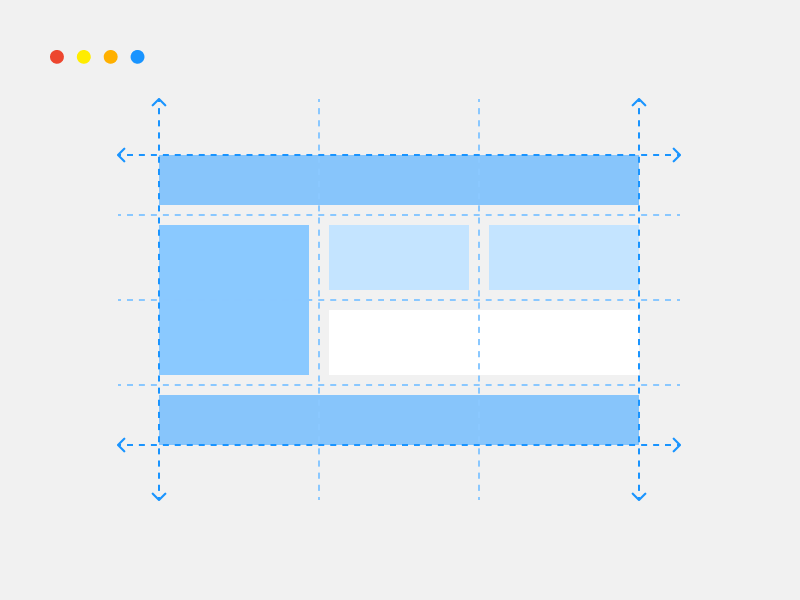
White space (sometimes called ‘negative space) is the empty space around and between the components of a design, and it’s as important as the elements themselves. Don’t let the name confuse you, as it refers to any unmarked area, regardless of color.
By strategically using white space, you can draw the user’s eye to specific areas of your design, making the important parts pop and ensuring your message gets seen.
But white space is not just about drawing attention. It also gives your design room to breathe. In a minimalist design, where less is more, white space provides a visual rest. It breaks up content, making it easier to digest, and prevents the design from feeling cramped or overwhelming. This breathing room creates a sense of elegance and sophistication.
To effectively implement white space in your designs, start by considering the layout. Ensure that elements have enough room around them and aren’t cluttered together. Pay attention to margins and padding. Evenly distributed white space can create symmetry and balance.
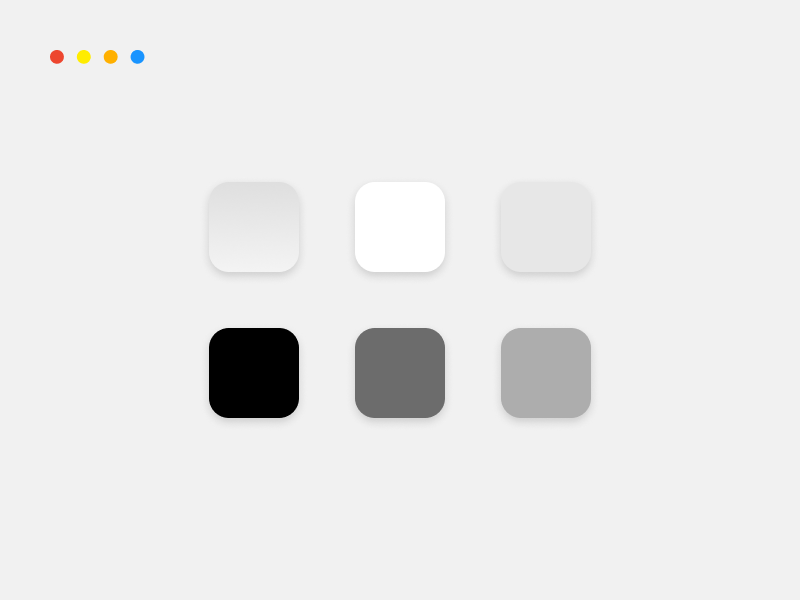
When it comes to color in minimalist graphic design, the principle of restraint is key. A minimalist color palette doesn’t necessarily mean a monochrome or two-tone scheme, though these can be effective. Bold minimalism graphic design teaches us that you can maintain a clean look even when using vibrant colors.
It’s about selecting colors deliberately to create a cohesive, impactful design.
The beauty of minimalist color schemes lies in their versatility. Whether you opt for vivid, neutral, or monochromatic hues, the goal is to avoid overwhelming the viewer. Your chosen colors should complement each other and contribute to the design’s overall balance and harmony.
The key is to create a palette that’s easy on the eyes and aligns with your brand’s identity.
Incorporating minimalist style graphic design into your website demands a strong commitment to consistency.
You must position various design elements in predictable places to avoid surprising users and causing confusion. When people navigate your website, they should feel a sense of familiarity with each page they visit.
This might sound like an obvious tip, but if you’ve tried creating minimalist web design before, you probably know how easy it is to wander off the track as you keep adding pages.
To achieve design consistency, start by establishing a set of design standards and follow them along your web design checklist. This list might include specific color palettes, typography, layout structures, and navigation elements.
Once these standards are in place, apply them uniformly across all web pages. This doesn’t mean every page should look identical, but there should be a clear, cohesive thread that runs through your entire site. This familiarity breeds comfort and trust, enhancing the overall user experience.
While 3D graphic design can have its place on minimalist websites, creating flat UI elements is the safest choice in most cases.
Flat graphic design is characterized by its simplistic, two-dimensional elements devoid of any stylistic embellishments that suggest depth, such as shadows or gradients. This style aligns perfectly with the minimalist philosophy due to its clean, uncluttered, and easily interpretable nature.
Use solid colors, straightforward illustrations, and easy-to-read typography.
When it comes to UI animations, simplicity is key in minimalist design. Complex or overly ornate animations can detract from the user experience, adding unnecessary noise to the design. Instead, aim for UI animations that are subtle and purposeful. They should enhance the user experience by providing visual feedback or guiding the user’s attention without causing distraction.
Minimalism is a powerful approach to design that prioritizes clarity, functionality, and user experience. Now, it’s your turn to embrace these principles and incorporate them into your work.
If you’re inspired to embrace minimalist graphic design but could use some expert assistance, my digital marketing agency might be the right fit for your needs. We can guide you through implementing these principles effectively in your projects, whether it’s website design, branding, or digital marketing materials.
Don’t hesitate to schedule a call today with me so we can further discuss your plans and find strategic solutions that resonate with your audience.
Related Posts
Brian Dordevic
How To Choose The Best Minimalist Color Palette For Your Website.
READ MORE
Brian Dordevic
How To Use 3D Graphic Design For a Memorable UX
READ MORE
Brian Dordevic
Why You Should Try Pixel Graphic Design At Least Once
READ MORE
Brian Dordevic
Experimental Typography: Tips For Creating Unique Fonts For Web Design
READ MORE